
A chainsaw’s performance depends on many components working together, but problems often start with one part that users underestimate — the guide bar. When issues go unnoticed, they don’t just affect cutting quality; they increase downtime, raise maintenance costs, and compromise operator safety.
Understanding the most common problems and how to prevent them can help extend tool life, improve efficiency, and ensure smoother operations across forestry, agriculture, and landscaping work.
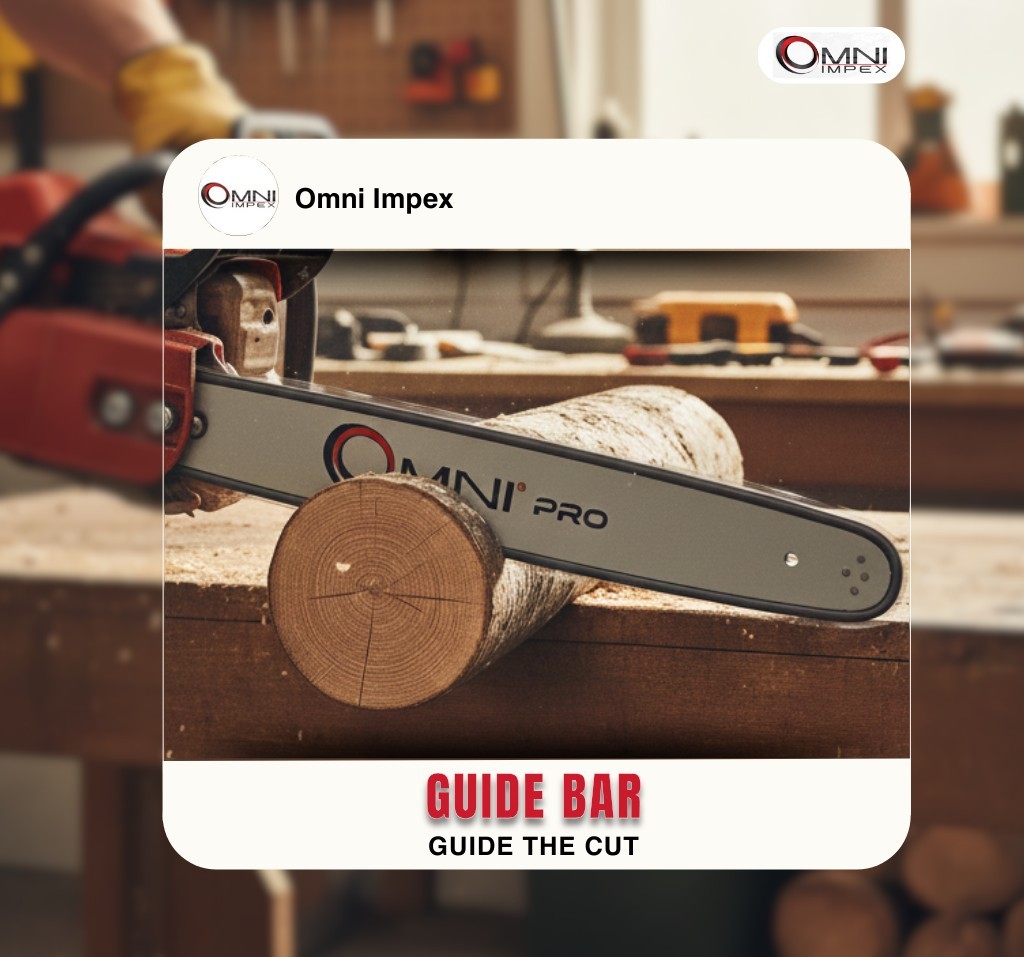
1. Uneven Rail Wear
One of the most frequent issues users face is uneven wear on the rails. This usually happens when the chain consistently runs to one side, causing angled cuts and poor control.
Why it happens:
- Improper chain tension
- Continuous cutting on one side
- Lack of regular inspection
How to prevent it:
Rotate the bar periodically during maintenance and check alignment whenever you replace or sharpen the chain. Simple habits like these can significantly slow down wear.
2. Excessive Vibration During Cutting
Excessive vibration is not just uncomfortable — it’s a warning sign. Over time, it can lead to faster fatigue, reduced accuracy, and long-term tool damage.
Common causes include:
- Worn rails
- Incorrect chain fit
- Bent or damaged body
Prevention tip:
Always ensure proper compatibility between chain and bar specifications. Regular visual checks before operation can catch early signs of damage.
3. Poor Lubrication and Overheating
When lubrication is insufficient, friction increases rapidly. This leads to overheating, discoloration, and premature wear.
Why this happens:
- Blocked oil holes
- Low-quality bar oil
- Inconsistent oil flow
How to prevent it:
Clean oil ports regularly and use recommended lubrication oils. During long cutting sessions, pause occasionally to allow proper oil distribution.
4. Bent or Warped Structure
A bent bar is often the result of forcing the chainsaw through cuts or improper handling during storage and transport.
Contributing factors:
- Pinching during cutting
- Dropping the chainsaw
- Using the tool beyond its intended capacity
Prevention strategy:
Let the saw do the work. Apply steady pressure and avoid twisting motions. Store tools properly to prevent accidental bending.
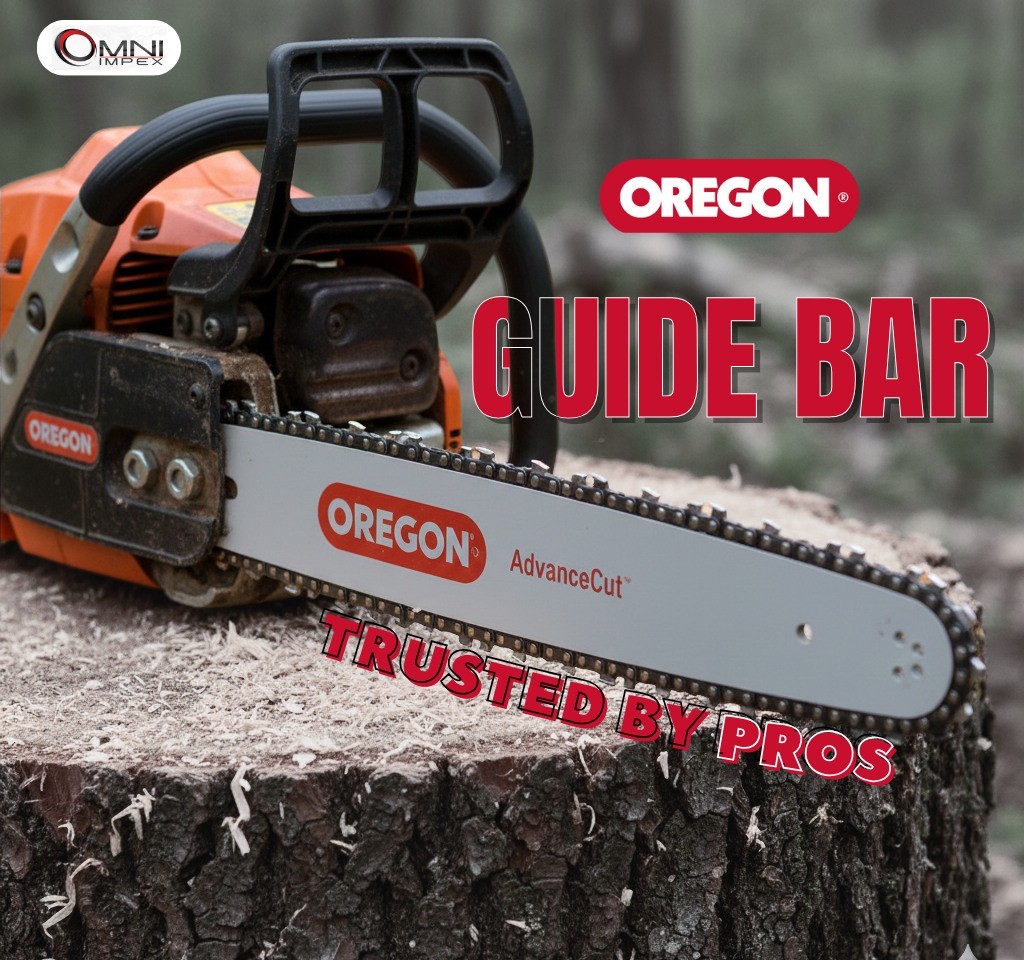
5. Accelerated Chain Wear
If chains are wearing out faster than expected, the issue may not be the chain itself.
Possible reasons:
- Groove wear
- Incorrect gauge matching
- Rough rail edges
How to prevent it:
Inspect the groove depth periodically and ensure the chain sits snugly without excessive movement. Smooth minor burrs during routine servicing.
6. Increased Kickback Risk
Kickback is one of the most dangerous risks during chainsaw operation, and component condition plays a major role in controlling it.
Factors that increase risk:
- Worn nose area
- Loose chain movement
- Reduced stability during cutting
How to reduce the risk:
Use components designed for stability and ensure all fittings are tightened correctly before use. Proper maintenance directly improves safety.
Maintenance Habits That Make a Difference
Preventing problems isn’t about complicated servicing — it’s about consistency. A few good habits can dramatically extend service life:
- Clean after every major job
- Check alignment regularly
- Replace worn components early
- Avoid overloading during heavy cuts
Professionals who treat maintenance as part of the job, not an afterthought, see better performance and fewer breakdowns.

Guide Bar: Choosing Reliability Over Repairs
Most cutting issues don’t appear suddenly — they develop gradually due to wear, misuse, or neglect. Recognizing early warning signs and taking preventive action can save time, money, and effort in the long run.
Professionals and dealers who value reliability and long-term performance choose Guide Bars from Omni Impex for demanding applications. Engineered for durability and precision, they’re made to meet real-world working conditions.
Connect with Omni Impex today to learn more and for partnership opportunities.